Articles
Read our latest articles and guides.

The Tuesday Night Room
There is a room within a few miles of you where people practise a language badly, on purpose, most weeks. Almost nobody in it is fluent.
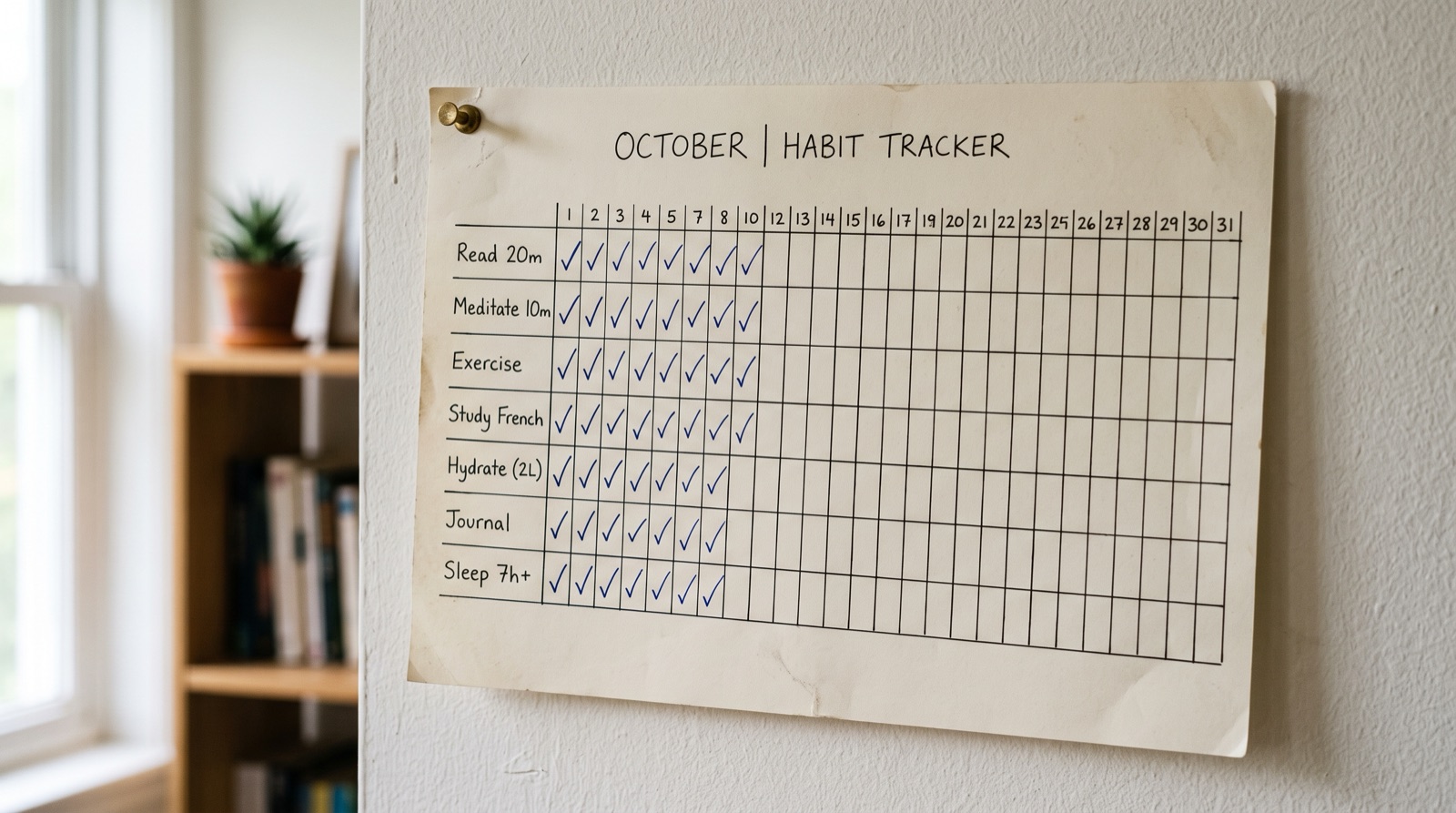
You Don't Need More Discipline
Habit stacking, trackers, finding your why. It worked for eleven days and you concluded you lack discipline. That's the wrong conclusion, and it's costing you.

Why Each Song Teaches Only Four Things
A three-minute song could carry thirty new phrases. It shouldn't — working memory overflows, and twenty-seven of them are heard and then lost.

How to Know When to Switch
Start production too early and there's nothing to produce; too late and you spend years adding to a store you never use. The test is simpler than it looks.

What It Costs at Work
The meetings switch to English. The corridor, the kitchen and the lunch where the decision actually gets made do not — and nobody convened those.

Your Brain Rewards You Before the Line Arrives
Dopamine arrives in the seconds before the payoff, not at it. Spaced repetition has to destroy predictability to work. Music depends on it. Only one pays you.

They've Been Waiting for You to Try
The nervousness at your partner's family table is entirely yours. They decided you were allowed to be bad at this long before you opened your mouth.

Stop Studying
You've been agreeing that you should study for years, and have studied for about nine hours. The study-shaped gap in your day doesn't exist — and studying trains the wrong thing anyway.

The Only Test Where the Pass Mark Is "Instantly"
A correct answer that took four seconds is a fail. Which sounds harsh, until you notice it's an accurate description of what happens in a real conversation.
You Don't Have to Stop What You're Doing
Switching methods means risking the foundation you've built. Input work and production work don't conflict — different systems, different hours, no trade-off.