Articles
Read our latest articles and guides.

The Shopkeeper Who Knows You Now
A five-second exchange tolerates no friction. If saying hello costs you eight seconds and a phone, the whole layer of ordinary local acquaintance never forms.
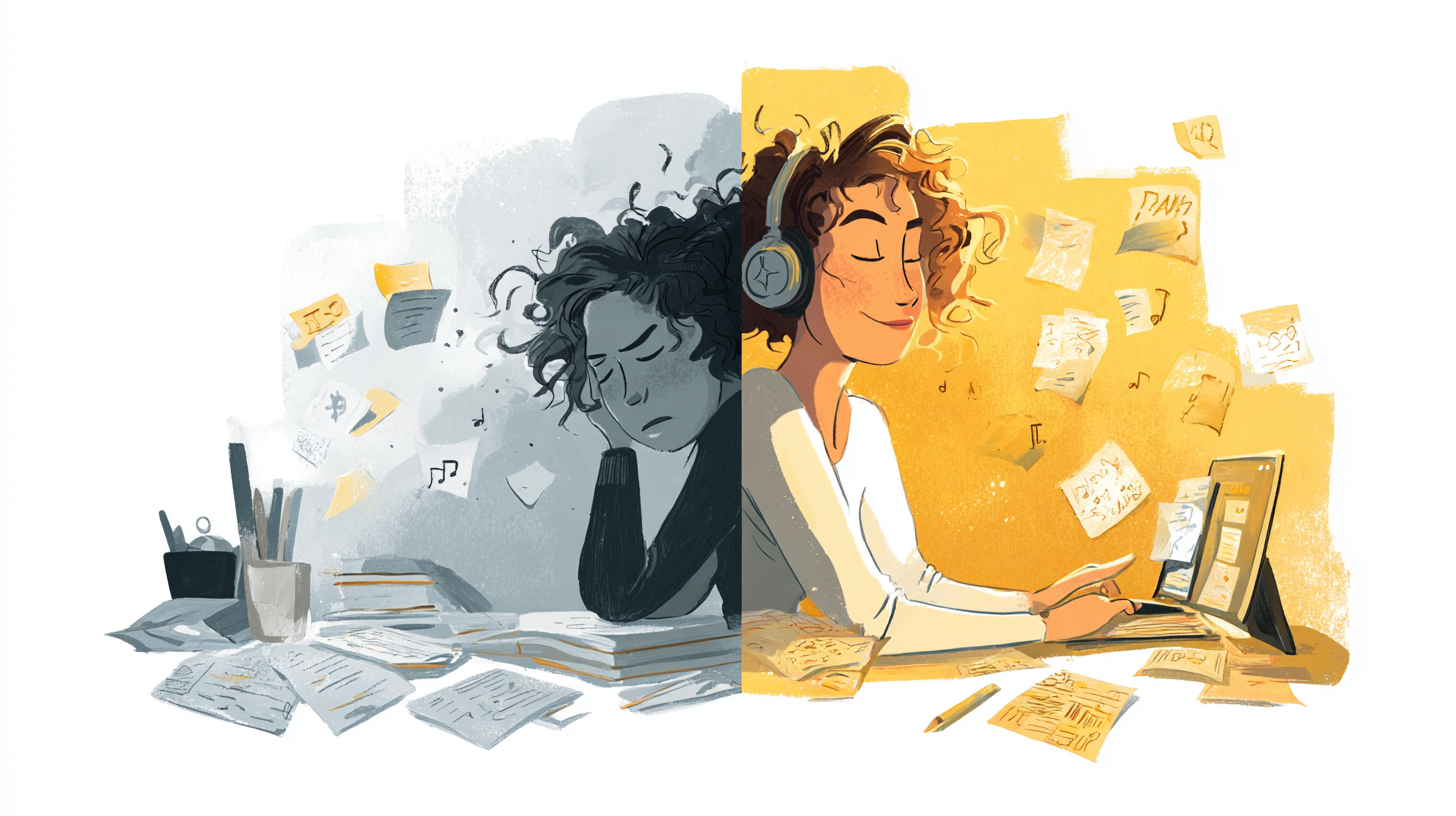
Why Flashcards Don't Work (And Why Music Does)
Five minutes of flashcards against an hour of music without trying. That gap isn't discipline — it's dopamine, and over a month the arithmetic isn't close.

Small Talk Is the Whole Skill
Nobody reaches the real conversation without passing through the small one. And the trivial exchange is the most demanding thing you'll do in a new language.

You Don't Need a Class
Ninety minutes, fifteen learners, one teacher. Your share of actual speaking time is about four minutes a week — and what you're really paying for is discipline.
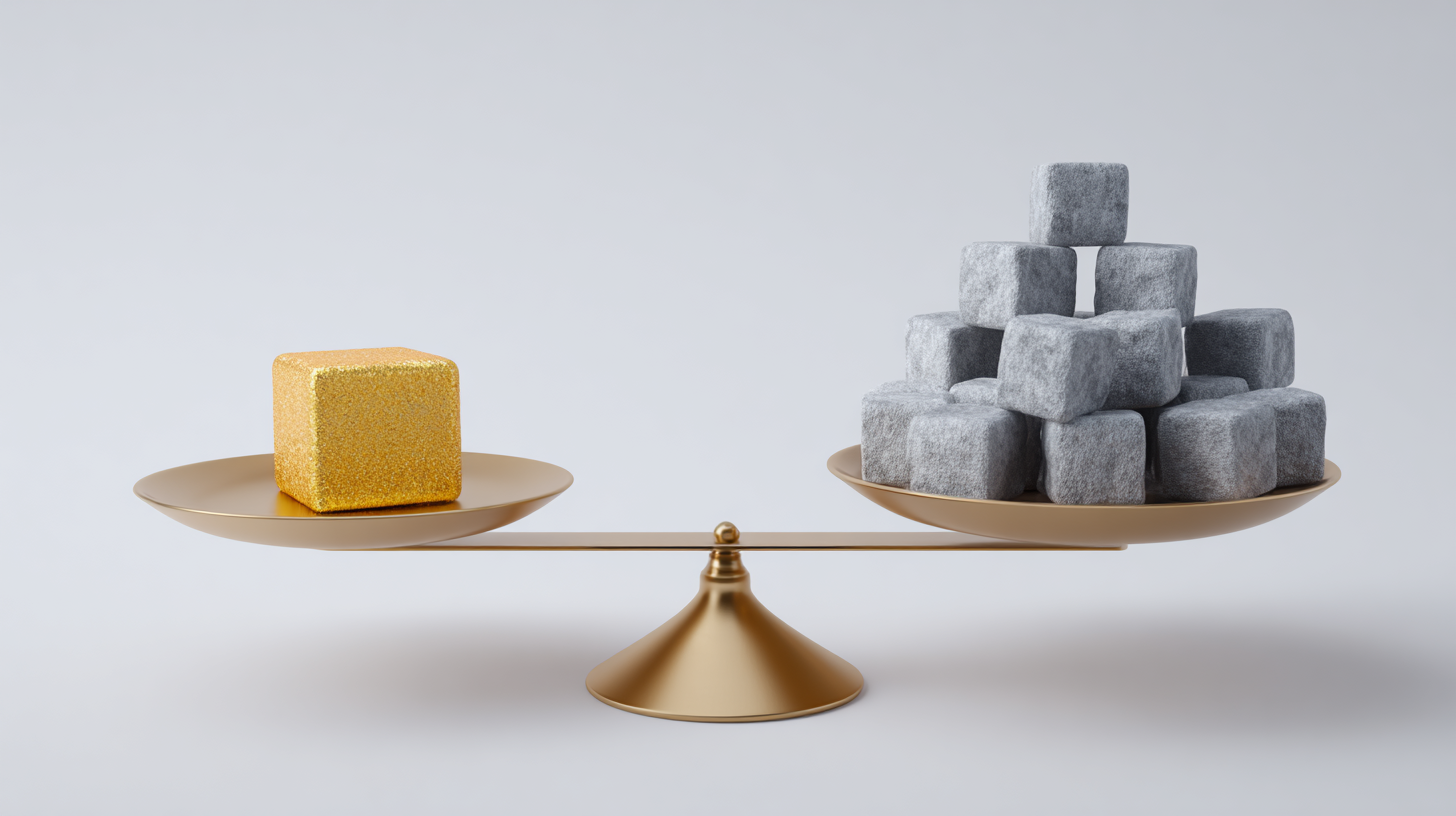
Why We Don't Teach "Travel Spanish" (Or Any Topic)
The 100 most common words cover roughly half of everything said. Topic chapters teach "the fork" in month one, while "something" — which you'd use a hundred times more — has no chapter at all.

Adults Can't Learn Languages (And Other Myths Your Brain Disagrees With)
Lenneberg's critical period was about first language acquisition. Hartshorne's 670,000-person study found no clear cutoff for the second — and neuroplasticity never stops.

The Moment They Switch Back
You get three words out and they answer in English. It isn't a judgement — it's a decision about speed. The trigger is almost never vocabulary. It's latency.

The Motor Skills of Speaking: Why Input Will Never Train Your Mouth
Speaking is physical. Your tongue has never hit those positions and no amount of listening will train it — that's like expecting to play piano by attending concerts.

The Face They Make
There's an expression people make when you speak their language unexpectedly. Half a second long. It's most of the reason people learn languages, and nobody mentions it.

Throw the Textbook Away
Chapter 1: Greetings. Chapter 2: At the Restaurant. The same chapters for sixty years — and the topic structure came from publishing, not from how anyone learns to speak.