Nobody thinks of speaking as a physical event, which is strange, because it's one of the most complicated ones your body performs.
Lips, tongue, jaw, soft palate, vocal folds and breath, coordinated to within hundredths of a second, several times per word. In your own language it's so automatic you have never once noticed it happening.
In a new language none of it is trained. Treating that as a problem worth solving is recent — articulation is only now being taken seriously as something to train rather than something that arrives on its own.
The Gap in Every Course
Look at what a language course contains. Explanation, examples, exercises, review. Information in, understanding out.
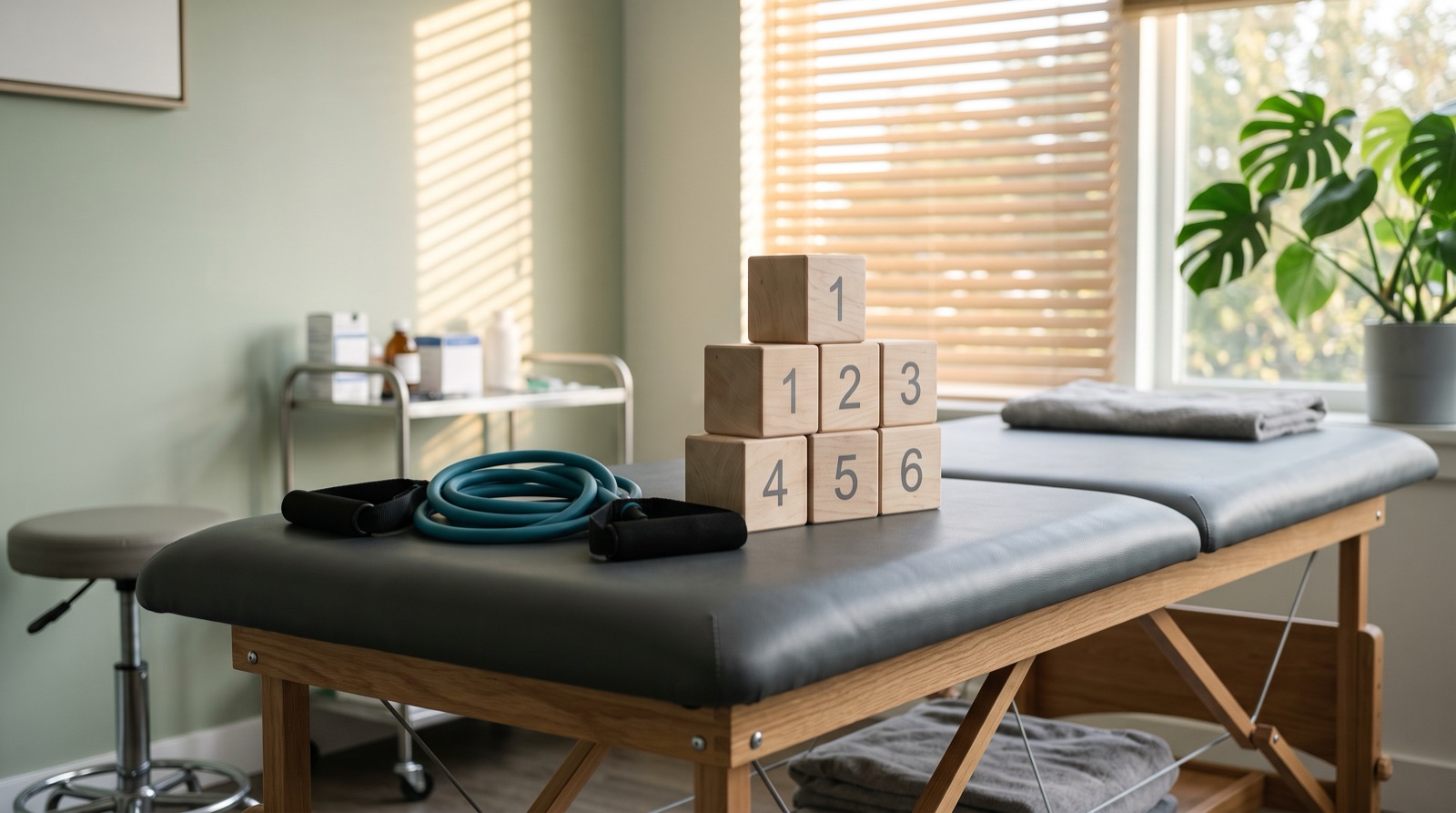
Now consider how every other physical skill is taught. A physiotherapist doesn't explain the movement and send you home. They put you through the movement, repeatedly, with a rhythm and a count, correcting the shape as you go. Nobody has ever recovered range of motion by reading about it.
Speech is a motor skill being taught as an academic subject. That mismatch is exactly why you can pronounce a word slowly and carefully and then fall apart at conversational speed. You can consciously control the movement. You've never automated it.
What Singing Does to the Apparatus
Sing a line and every component of speech production runs at once. Lips forming shapes. Tongue hitting positions. Jaw opening to the right widths. Breath metered across the whole phrase instead of spent on the first two words.
But singing adds three things ordinary repetition doesn't.
It sets the tempo, so you can't rush into sloppiness or crawl along at a speed you'll never use in conversation. It supplies a melody, which trains intonation — the rise and fall that makes speech sound like speech rather than a list. And it makes repetition bearable, so you accumulate hundreds of reps instead of the eight you'd manage reading the same sentence aloud from a book.
The Reps You Don't Perform
There's a stranger effect stacked on top.
When a song loops in your head, the motor regions involved in producing it activate as though you were singing it. The rehearsal carries on with your mouth shut, several times an hour, on a day you did nothing.
Very little else has this property. A grammar exercise does not replay itself while you're sitting in a meeting.
Train It Like a Movement
Stop treating your mouth as though it already knows the language and is waiting for instructions. It doesn't, and it isn't.
Give it the movement, with a rhythm, often enough that it stops needing you. That isn't a study technique. It's rehab.
About Outputly
Every Outputly song runs your mouth through real phrases at conversational tempo, with the melody carrying the intonation. 100 songs of repetitions — and the earworms keep the movement going long after you've stopped singing.